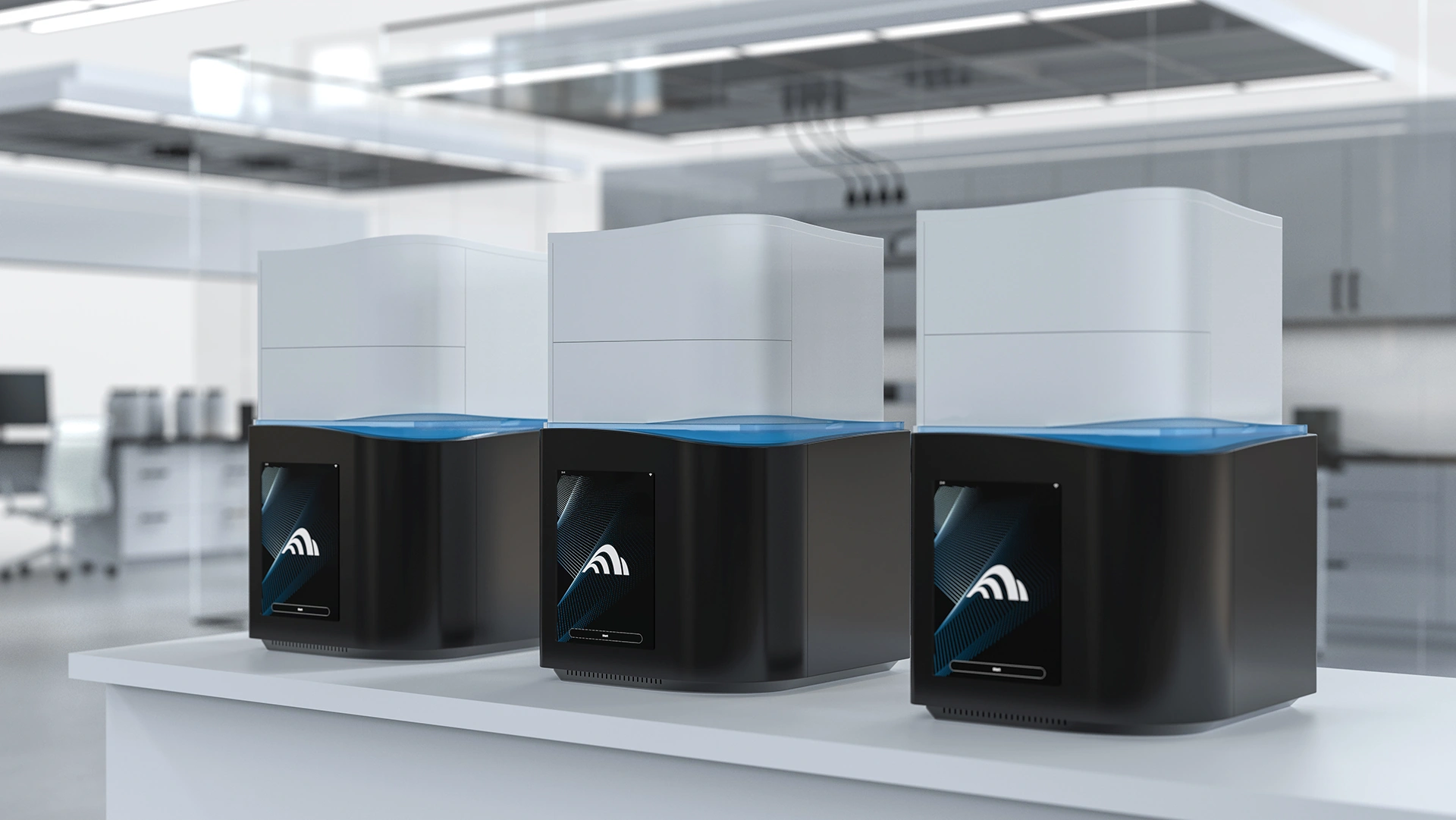
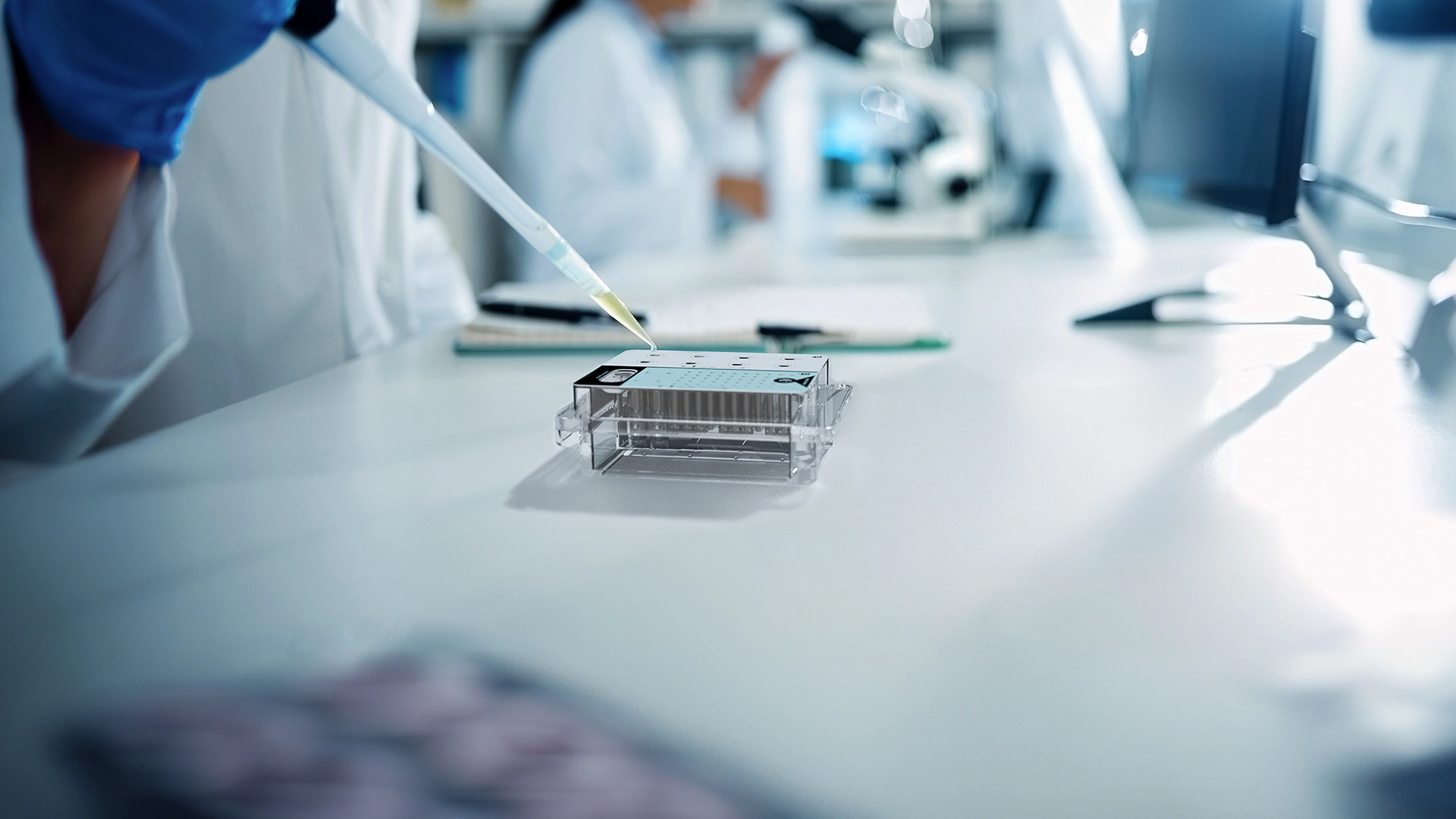
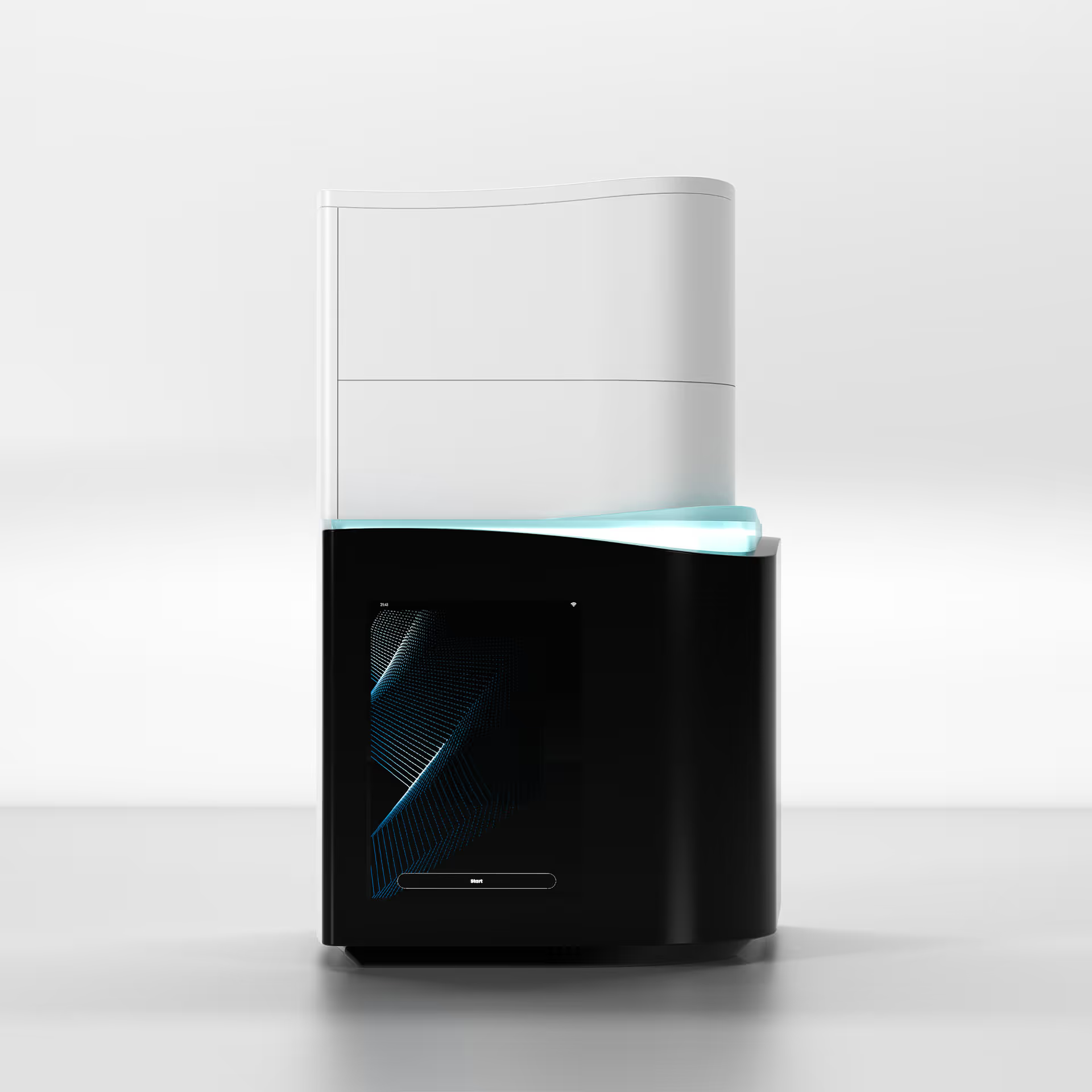
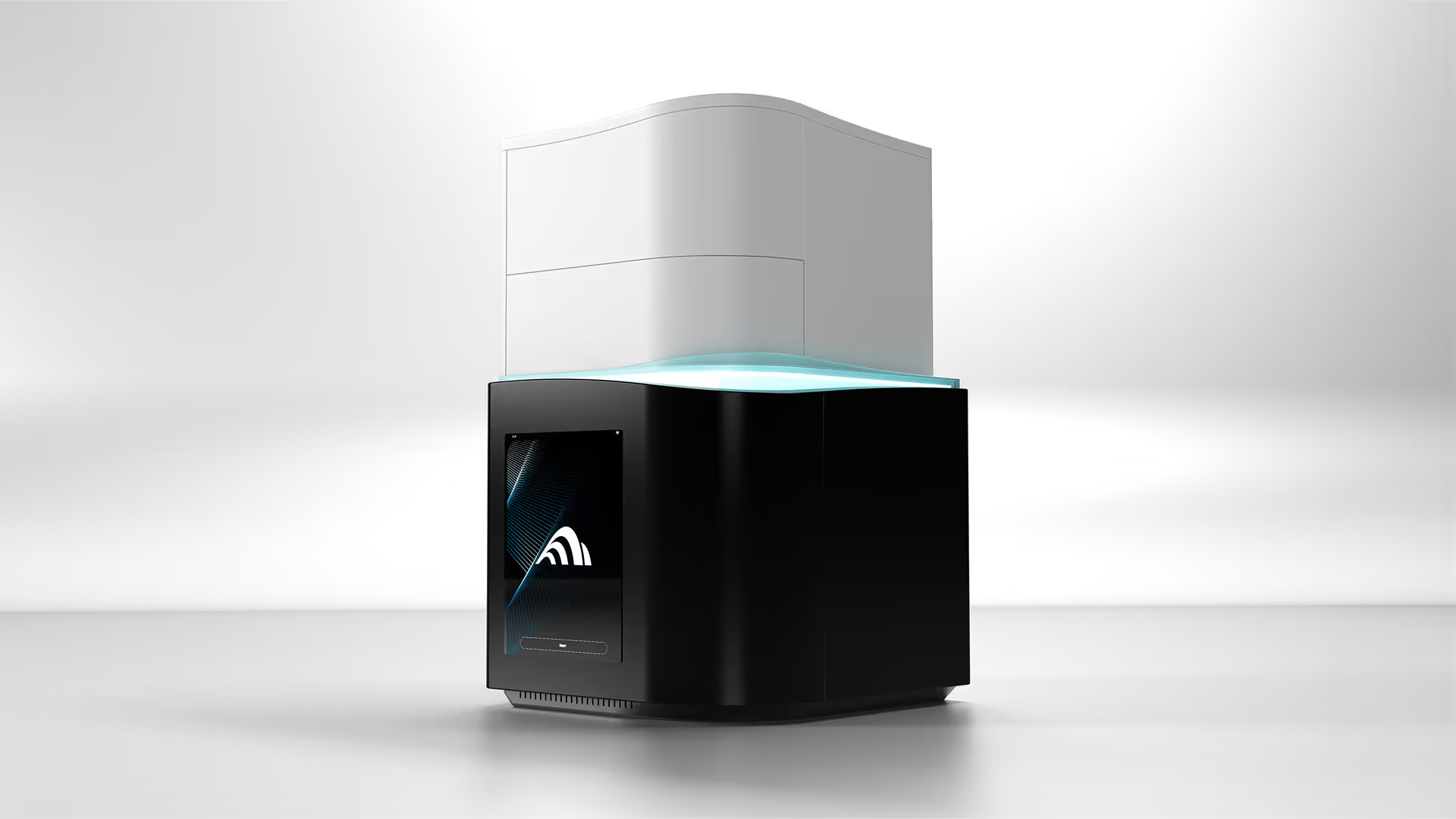
Encodia is developing a new way to bring sequencing-level scale to protein analysis. Their ProteoCode™ platform is built to help researchers read and analyze proteins with greater speed and depth.Speck partnered with Encodia to shape the product experience for its protein analysis system, from the instrument architecture and cartridge interaction to the GUI, display integration, CMF, and prototype development.
Research
Overview
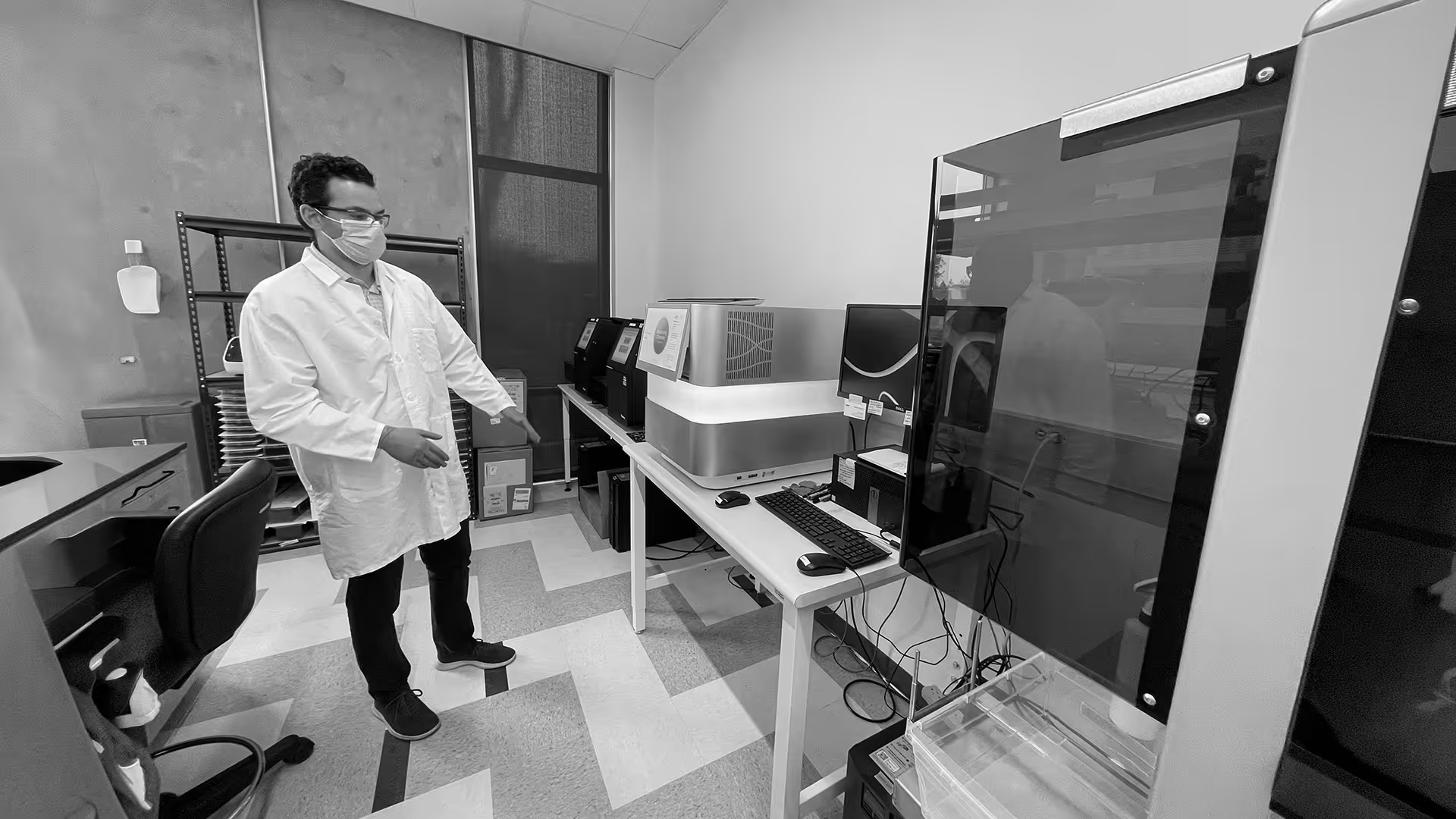
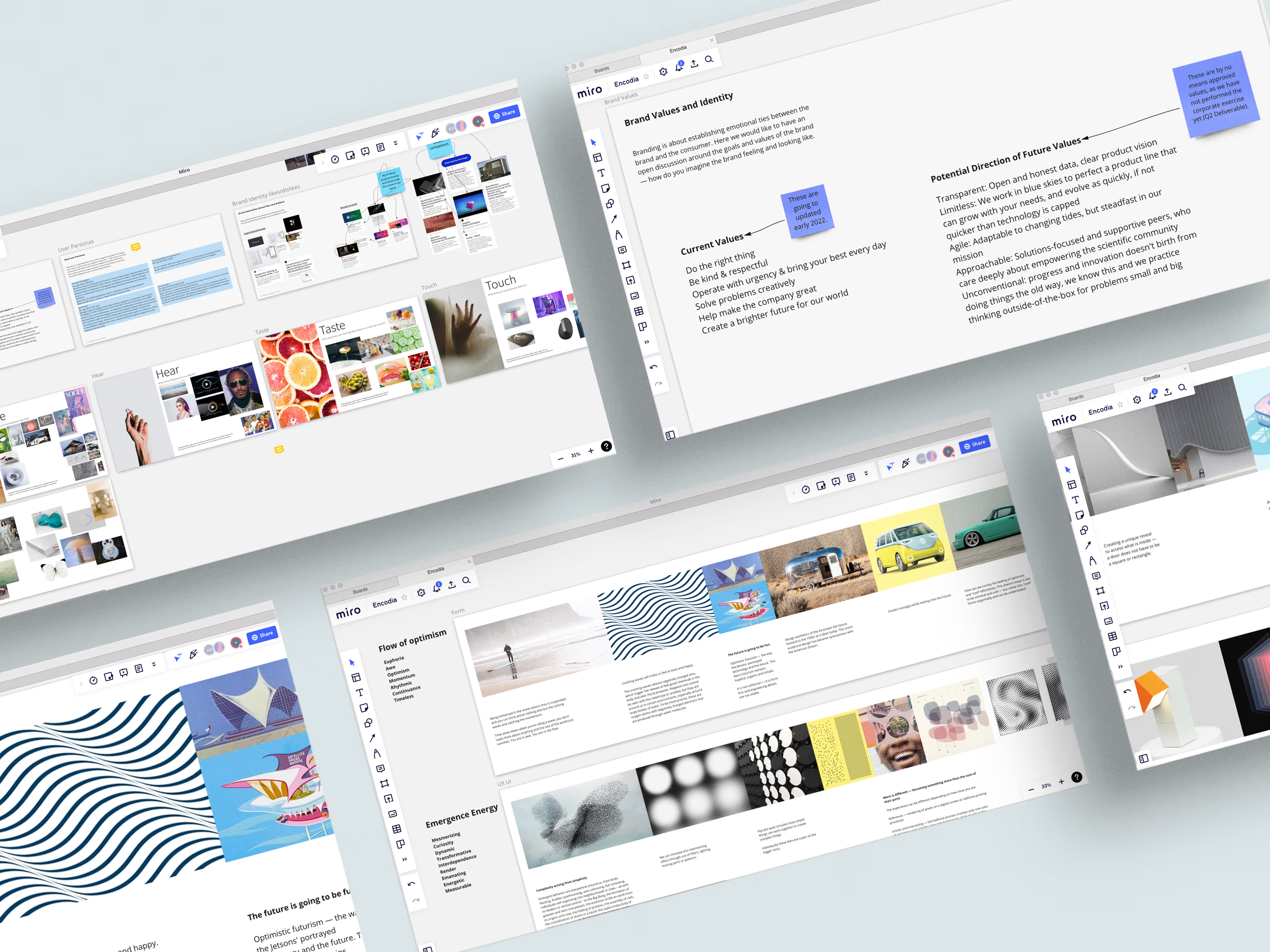
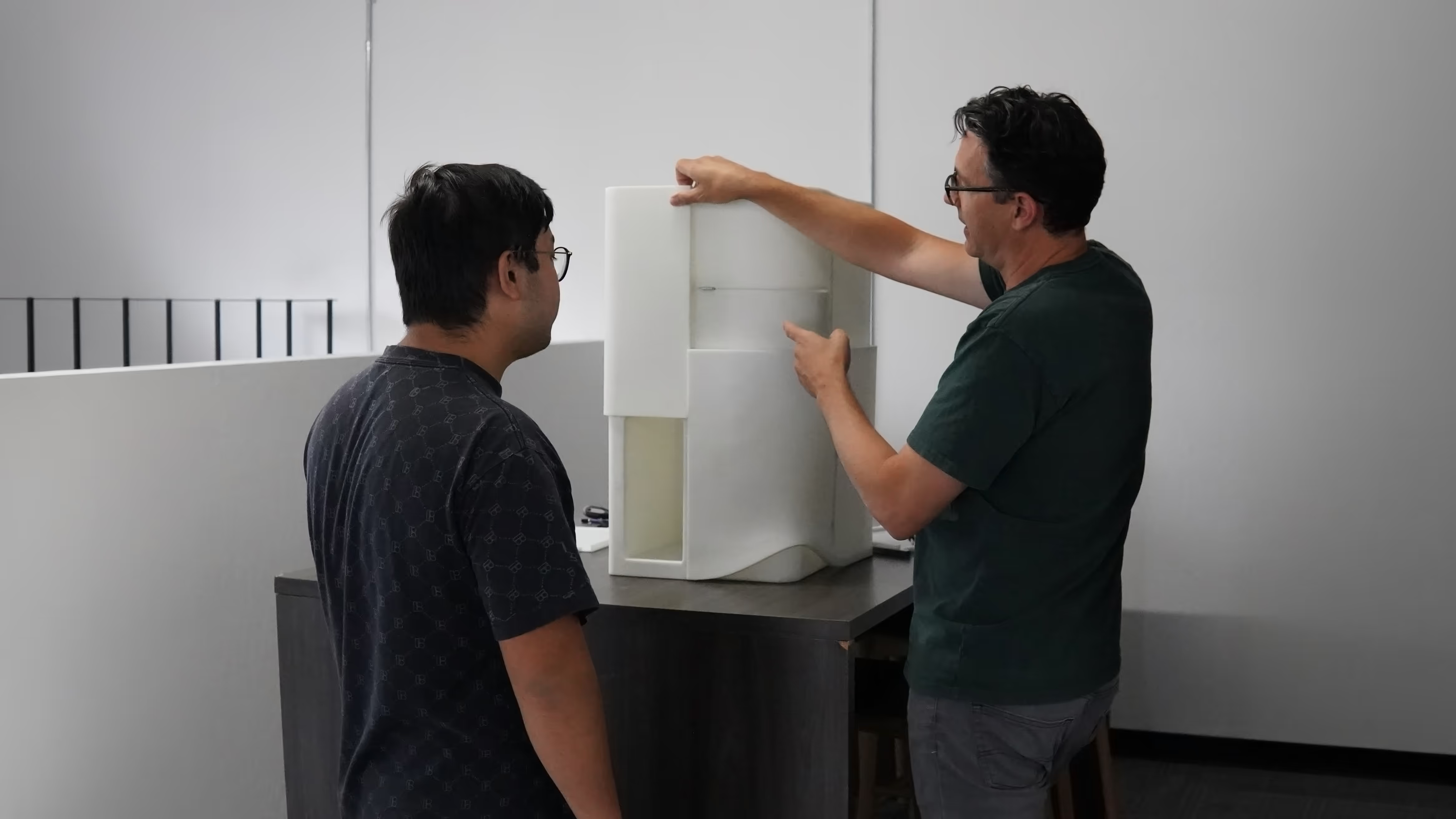
Encodia’s platform brought together a complex scientific workflow, new cartridge interactions, and an evolving instrument architecture. Our research work focused on understanding how the system needed to function in a lab setting, how users would move through the experience, and where the physical product and GUI needed to work together.
Key Outputs
This work helped the team align around the core user flow before the design became too fixed. By refining the PRD, mapping key interactions, and exploring the cartridge and display experience early, we gave Encodia a clearer foundation for product decisions across the instrument, interface, and prototype.
Industrial Design
Overview
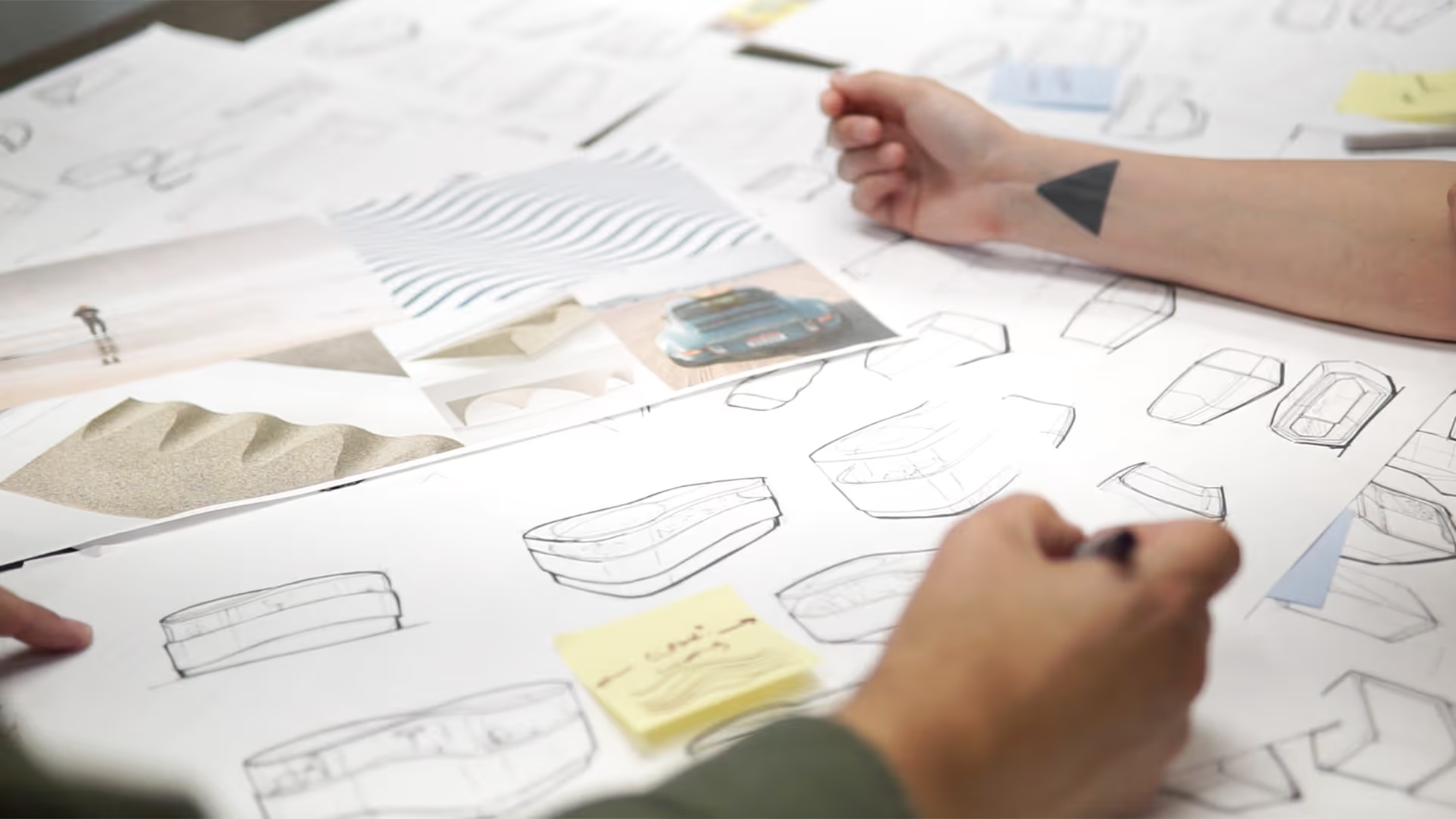
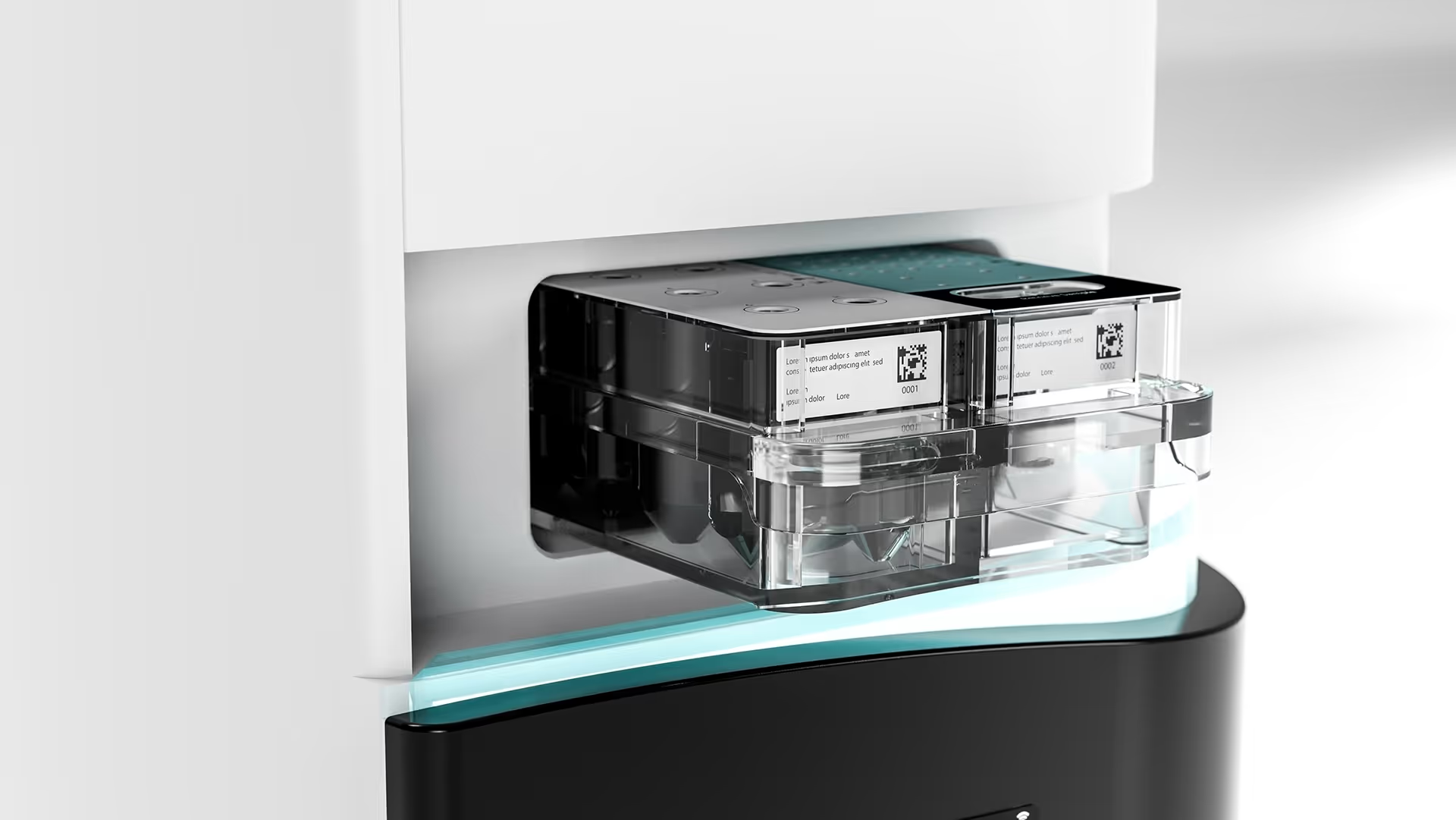
The industrial design work turned Encodia’s updated footprint, display location, cartridge access, LED feature, and brand direction into one cohesive instrument. The goal was to make the system feel precise and sophisticated, while remaining approachable in a lab setting.
Key Outputs
The design exploration helped Encodia move from early concepts toward a resolved product architecture. Chassis updates, screen studies, dead-front exploration, cartridge tray concepts, CMF direction, and surface development gave the team a clear visual and mechanical path forward.
Inspired by waves, soft motion, and optimistic futurism, The design direction made the instrument feel precise without feeling clinical.
Engineering
Overview
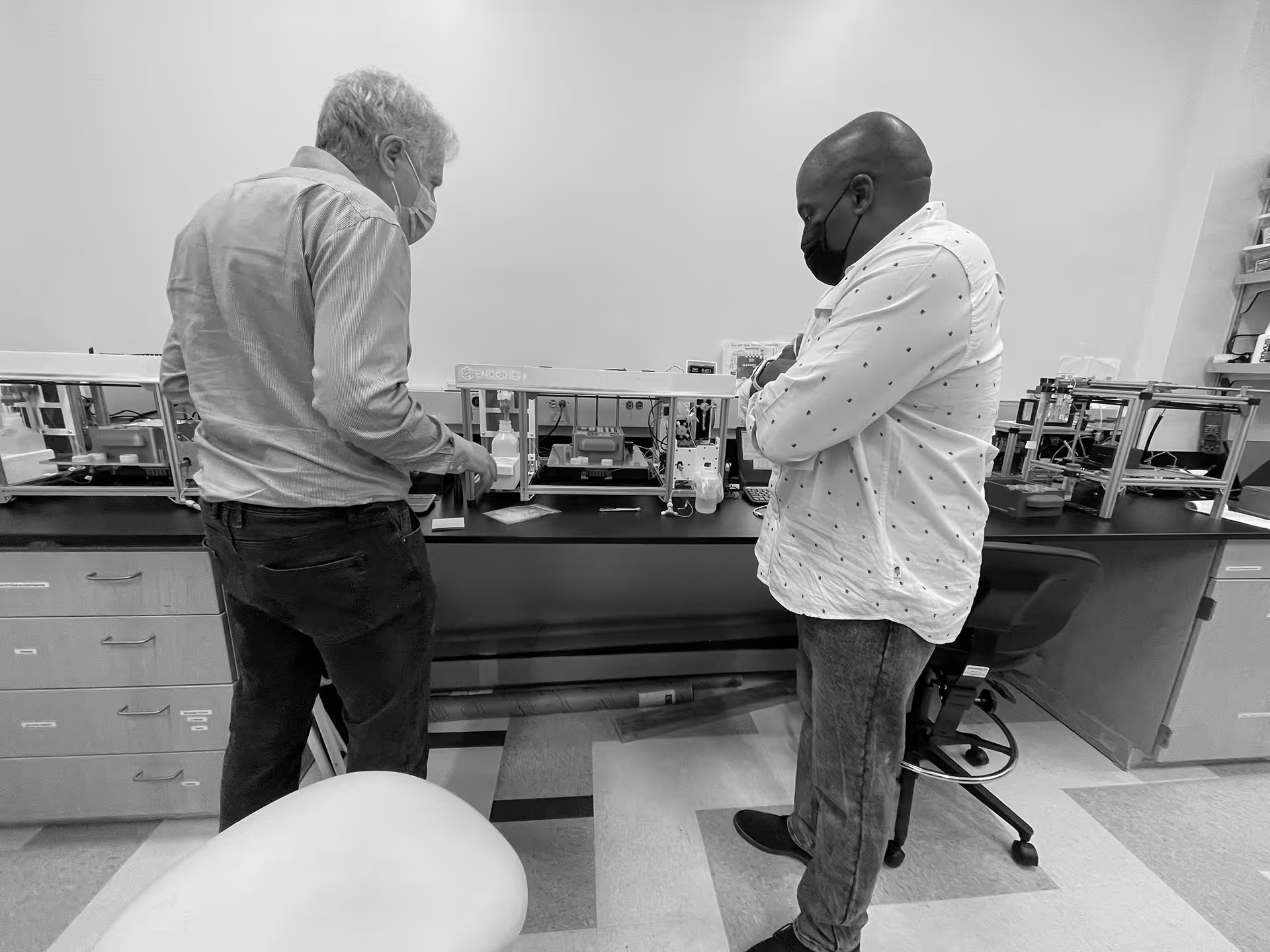
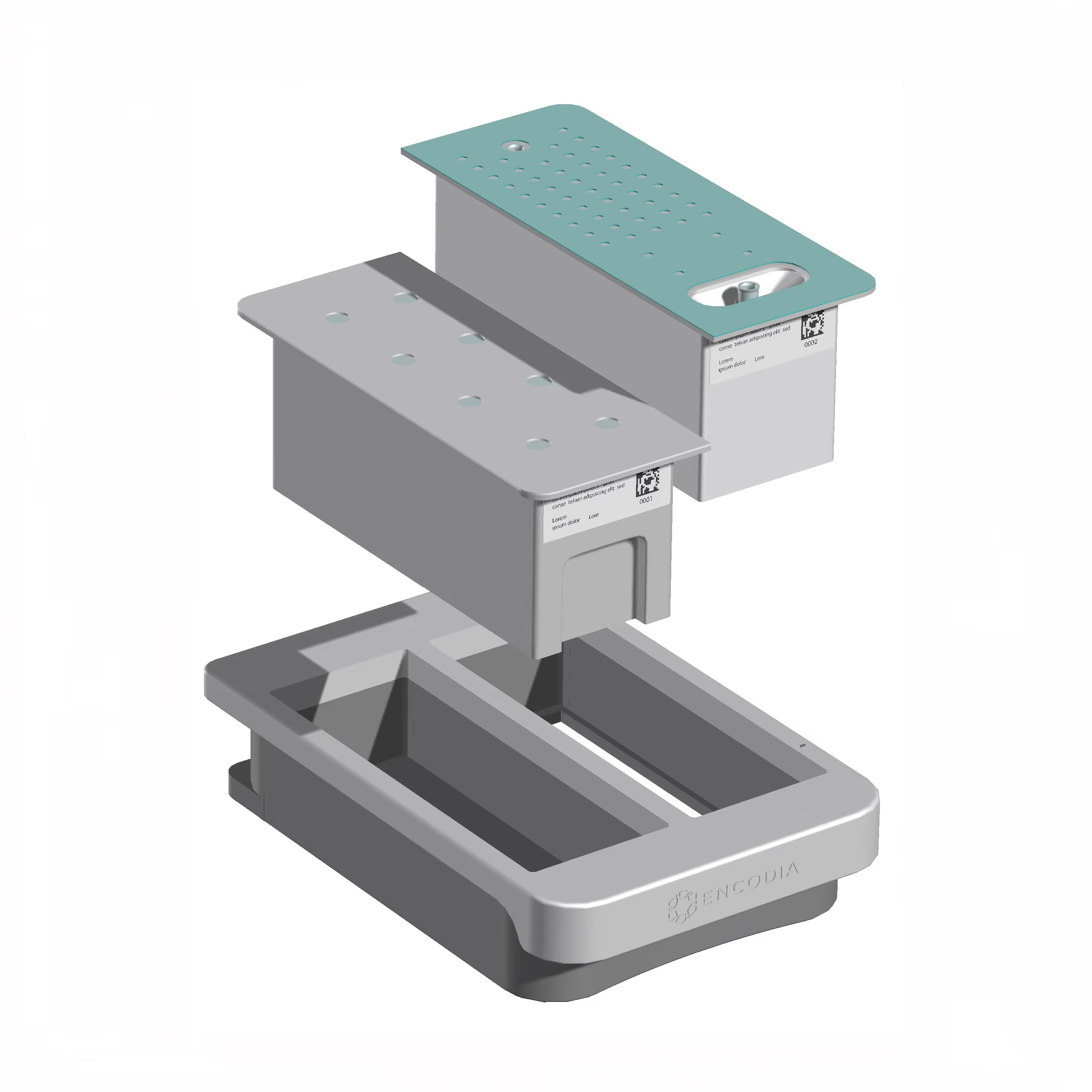
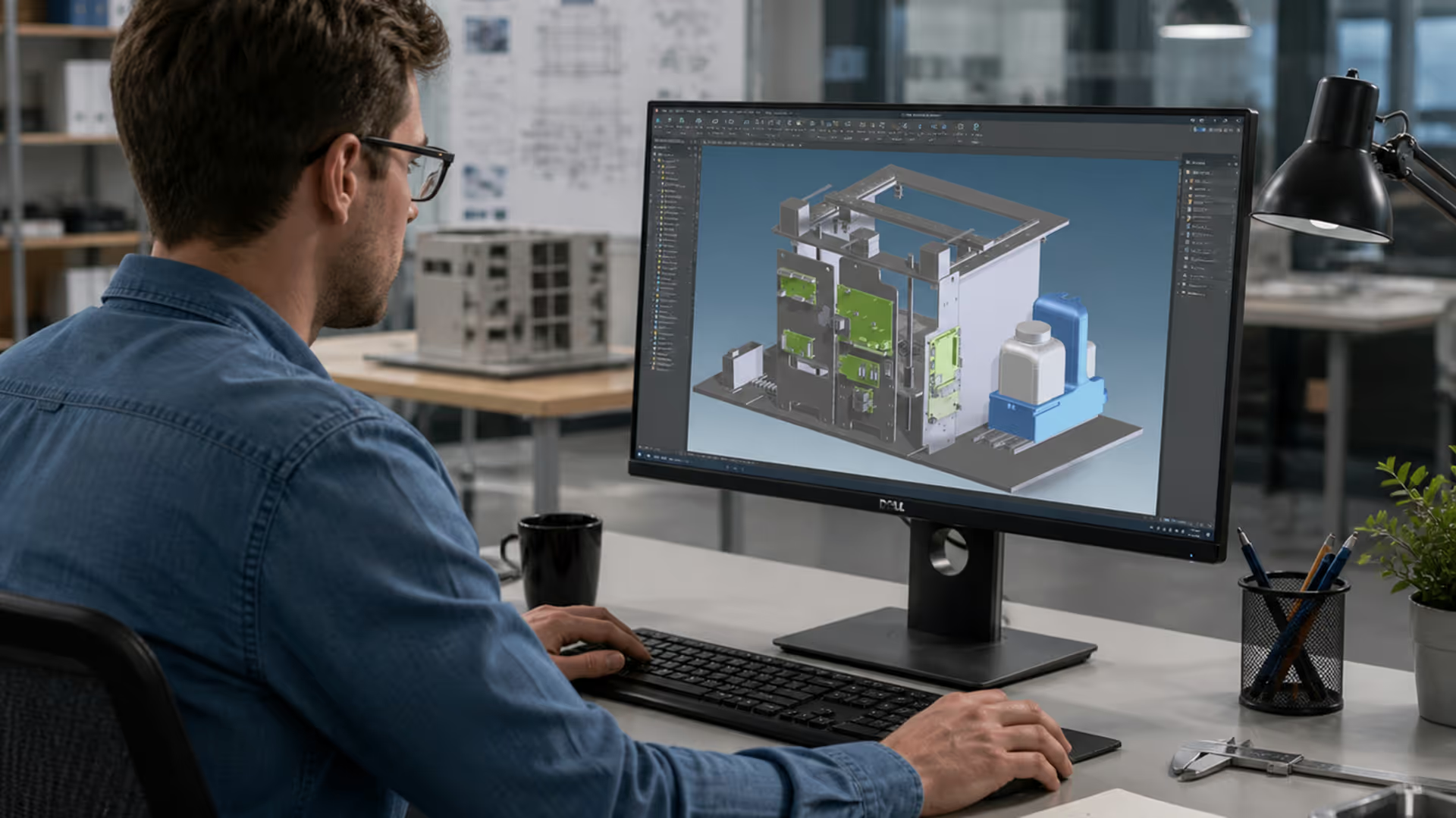
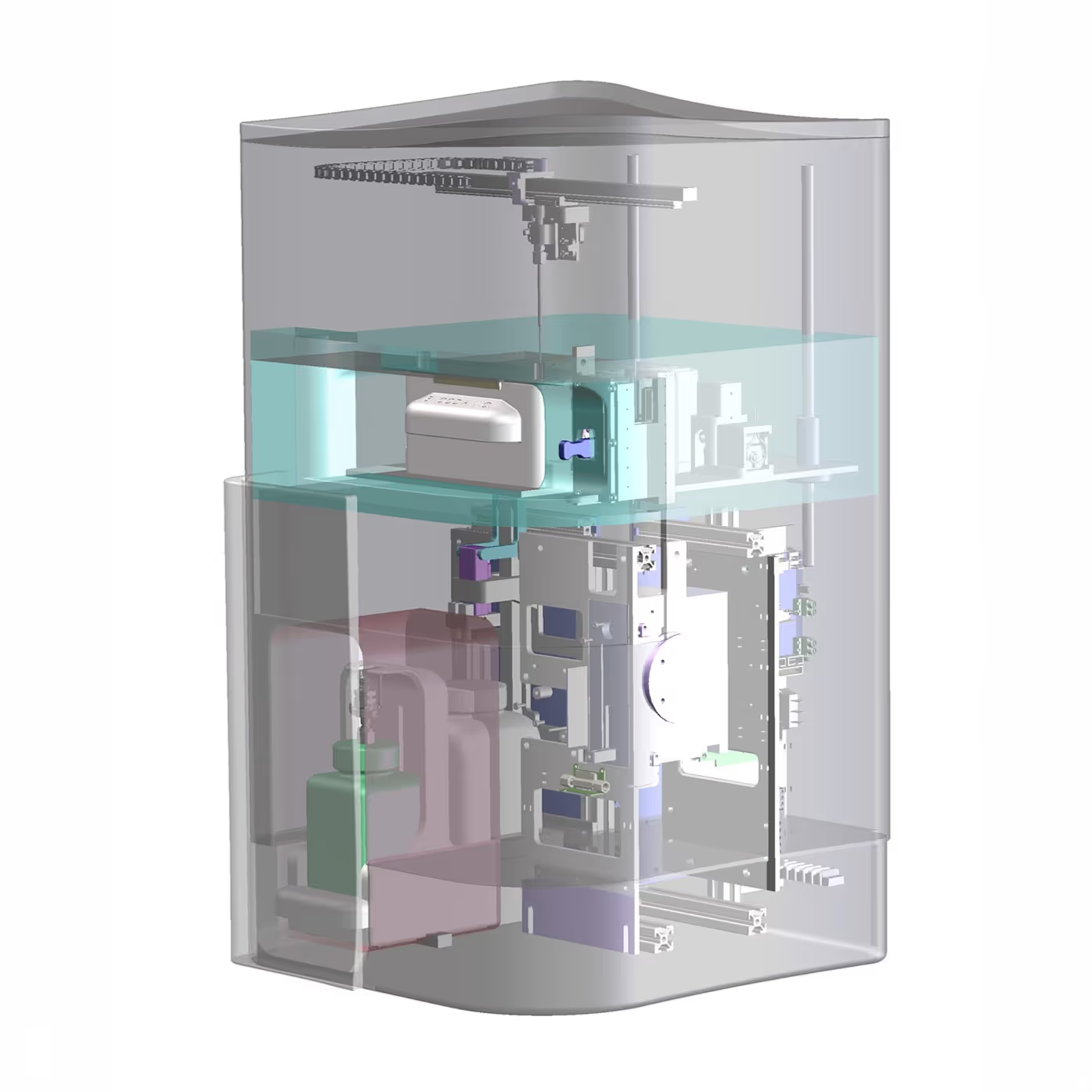
The engineering work translated the design direction into a buildable system. Speck refined the chassis and skin assembly, cartridge housing, access strategy, LED feature, display integration, and internal mounting approach as the instrument architecture evolved.
Key Outputs
These outputs gave Encodia a practical way to evaluate the design in context. Updated CAD, cartridge models, access strategies, electronics integration, and P0 prototype builds helped the team check fit, assembly, usability, and system integration.
.png)